Why the Right Training Room Matters When You Start Jiu-Jitsu
Most people do not quit Brazilian Jiu-Jitsu because the techniques are too hard to learn. They quit because they walk into an unorganized gym, get paired with someone who treats a Tuesday drill like a title fight, and leave feeling bruised and lost. When people explore the reasons to train Jiu-Jitsu at Gracie Barra Pearland, they are usually trying to avoid that exact experience and find a place where beginners are taught properly from day one.
Starting Brazilian Jiu-Jitsu in Pearland often means fitting classes around commuter traffic, work deadlines, and family routines. Knowing what sets a well-coached academy apart makes it much easier to step onto the mat with confidence and build a habit that lasts.

DISCOVER Gracie Barra Pearland
CLICK HERECoaching and Curriculum That Take the Guesswork Out of Starting
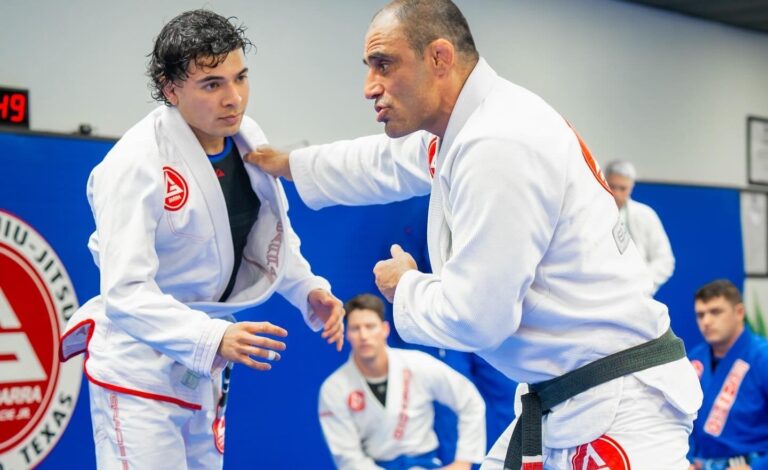
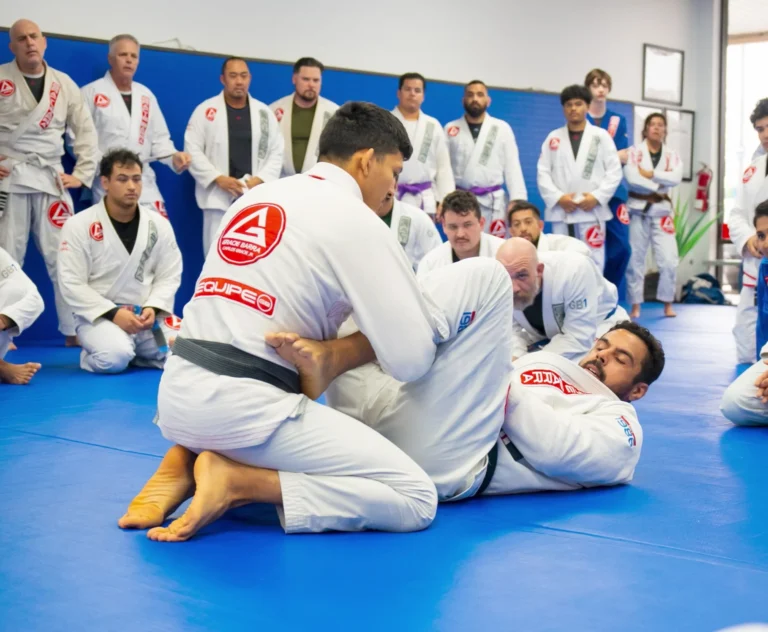
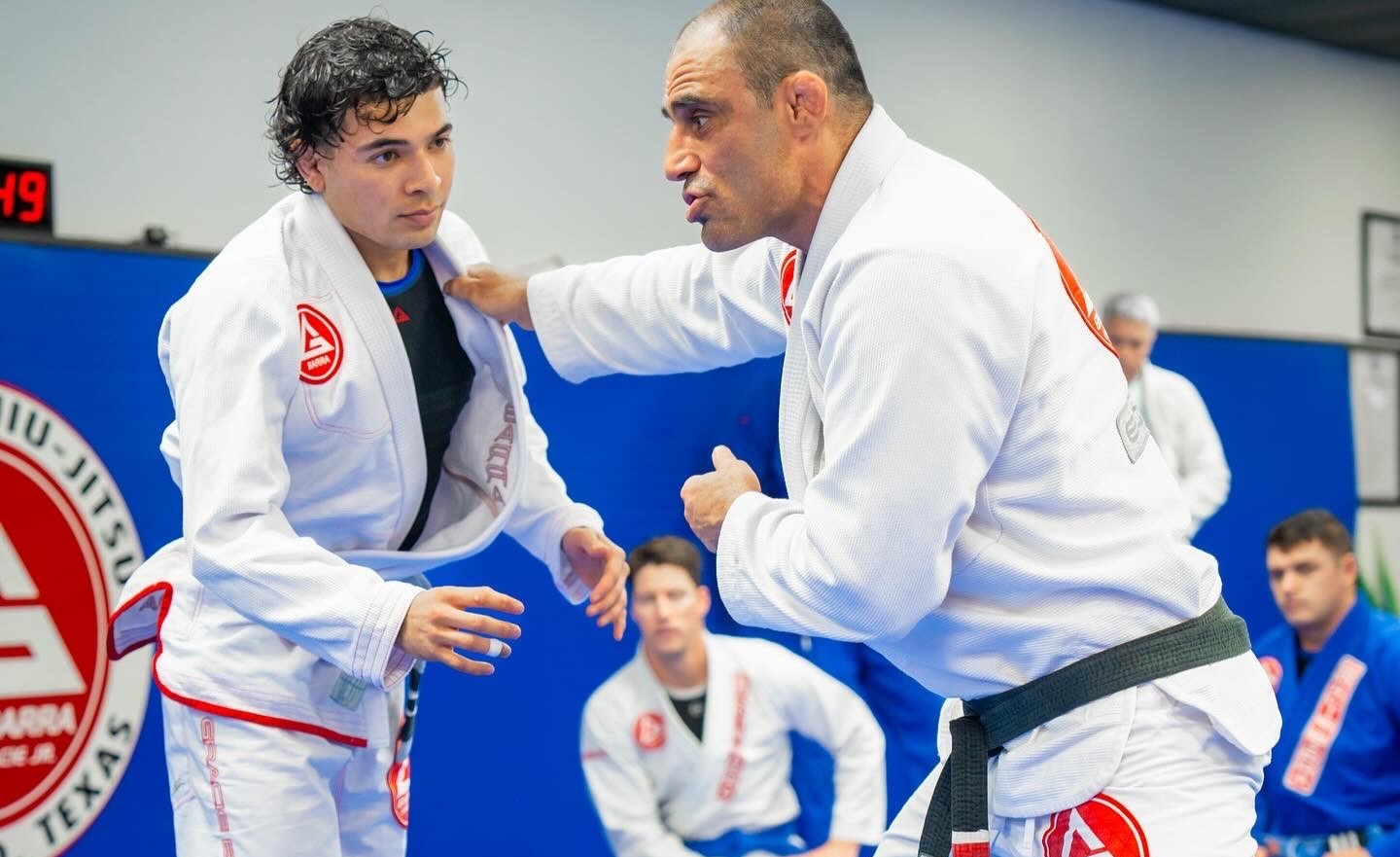
1. Dedicated instruction from Mariana Azevedo and Marcelo Azevedo. A martial art is only as approachable as the people teaching it. At Gracie Barra Pearland, when you meet the instructional team led by Mariana Azevedo and Marcelo Azevedo, you find coaches who bring deep competitive and teaching experience to everyday classes. Head Instructor Marcelo Azevedo, a multi-time World and Pan American champion, and Professor Mariana Azevedo, a multi-time World and Pan American titleholder who has played a central role in developing women’s instruction, break complex grappling movements into clear, observable checkpoints.
How Mariana Azevedo and Marcelo Azevedo Guide New Students
That precision changes how quickly beginners settle in. When you are pinned underneath side control, hearing a vague cue to “create space” rarely helps. Having Jiu-Jitsu instructors step in, adjust your elbow placement by two inches, and show you how to engage your hips turns confusion into immediate understanding.
Equally important is how they manage the pace of the room. By pairing training partners thoughtfully and emphasizing control over brute force, they create an environment where adults can test techniques against live resistance without worrying about reckless sparring.
2. A progressive curriculum that connects every lesson. Strong coaching works best when backed by a logical roadmap. In gyms without a set curriculum, one session might cover an advanced guard variation while the next jumps to leg locks, leaving newcomers trying to memorize disconnected tricks. Understanding what to expect in beginner Jiu-Jitsu classes shows how structured sessions build foundations in order—posture, defensive framing, escapes from bad positions, guard retention, and basic sweeps—so you see how escaping mount connects directly to recovering guard.
Real-World Self-Defense and Conditioning That Holds Your Focus
Once beginners feel comfortable with how classes are organized, two practical questions usually follow: whether the skills work outside the gym and whether the workouts stay engaging over time. Jiu-Jitsu addresses both through the same live problem-solving process.
Applying Leverage Instead of Size in Self-Defense
3. Leverage-based self-defense that does not rely on size. Many adults look at martial arts because they want reliable personal safety skills that do not depend on reach or raw strength. Jiu-Jitsu is built around the reality that you will not always be the larger person in a confrontation. Instead of trading strikes, practitioners study distance management and hip leverage for self-defense to clinch safely, off-balance an aggressor, and control positions on the ground.
When someone heavier pins you down, panic and brute force drain your energy in seconds. Learning how to frame against weight, shift your hips to create an angle, and stand up safely gives smaller practitioners dependable options under pressure.
Why Jiu-Jitsu Conditioning Beats Repetitive Solo Workouts
4. Full-body conditioning that holds your attention. Anyone who has stared at a treadmill clock waiting for thirty minutes to crawl by knows how fast solo workouts turn stale. Seeing how adult Brazilian Jiu-Jitsu builds full-body conditioning explains why so many people prefer the mat: your mind stays focused on solving a live physical puzzle—managing balance, reacting to grips, and breathing calmly while a partner tries to pass your guard.
An hour of focused drilling builds cardiovascular stamina, core strength, and hip mobility naturally. You walk off the mat tired in a productive way while giving your mind a genuine break from screens and daily work stress.
An Ego-Free Room Where Beginners Grow Alongside Experienced Partners
5. Cooperative training partners and programs for every stage. Your training partners shape your progress almost as much as your coaches do. Even a great curriculum falls flat if every positional drill turns into a stubborn test of strength where nobody wants to concede a sweep or reset.
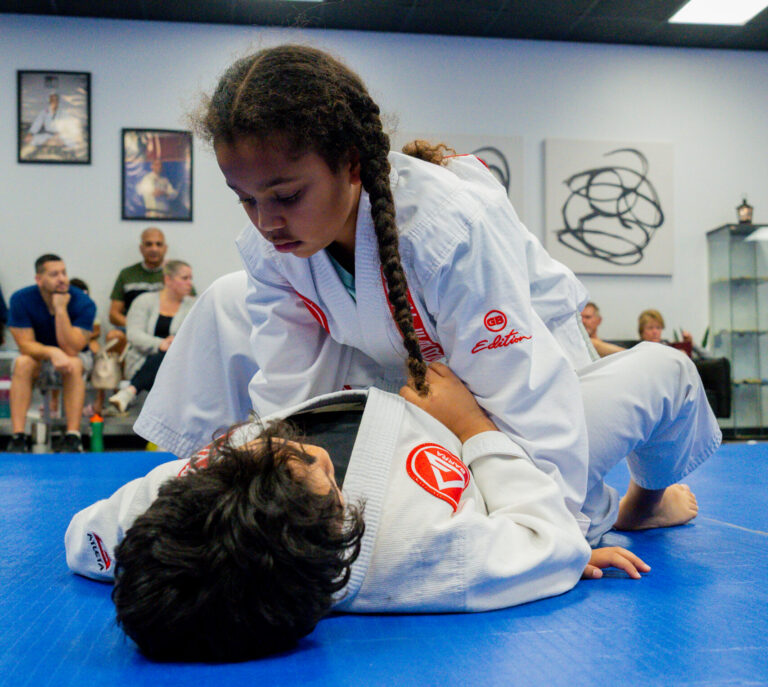
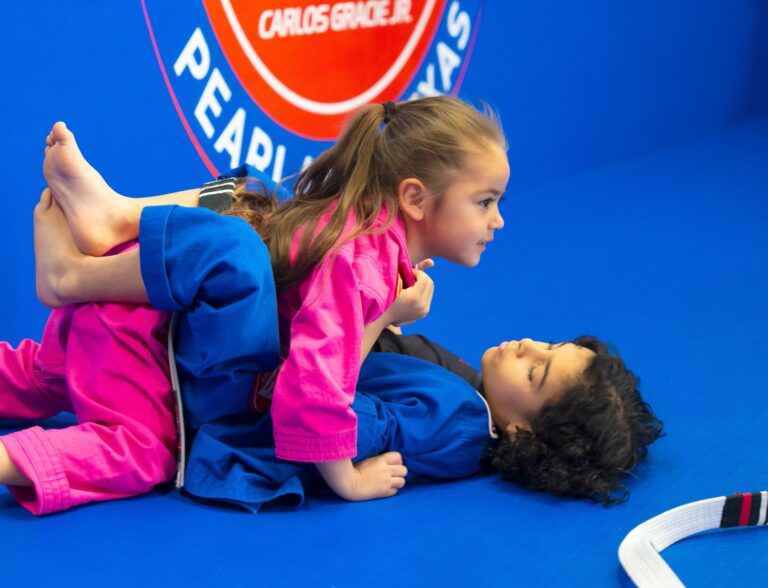
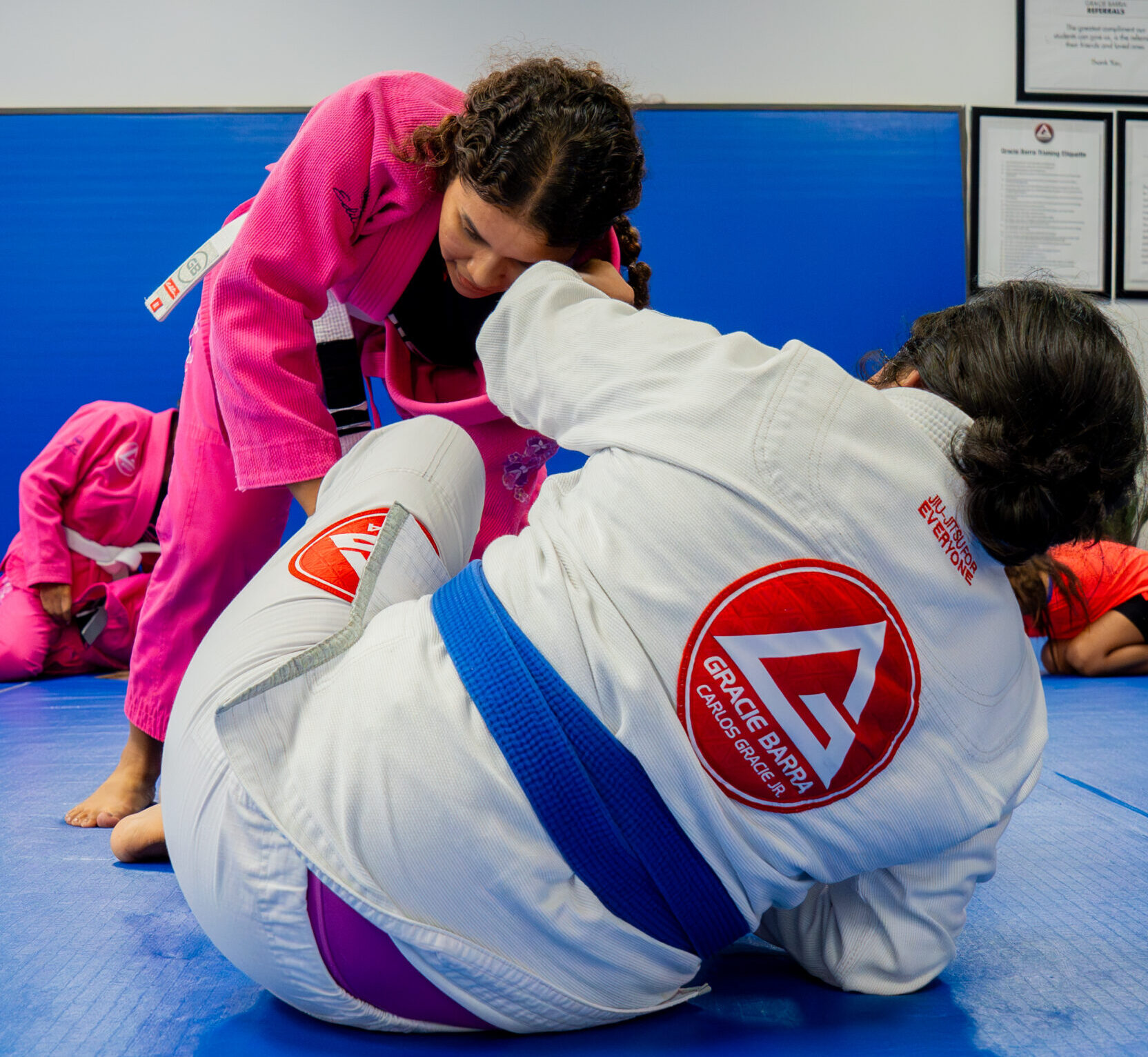
In a healthy academy culture, experienced students remember their own first month on the mat and help newcomers work through basic escapes without ego. Reading about why Pearland families value a cooperative mat culture illustrates how mutual respect makes training welcoming for adults, parents, and younger learners sharing the same facility.
Having access to programs structured for adults, youth, and Gi or No-Gi practice also ensures you train alongside peers matched to your experience level and pace, rather than feeling out of place on day one.
Building a Weekly Schedule You Can Actually Keep
Before committing to a routine, look honestly at your weekly calendar in Pearland, TX. Opening-week enthusiasm often tempts beginners into planning five classes a week, only for commuter traffic, family schedules, and sore muscles to derail the plan by week three.
Two or three steady sessions a week will take you much further than an exhausting sprint followed by a long break. Checking morning, evening, and Saturday class times ahead of time lets you pick slots that fit naturally around your commute and dinner routine, turning attendance into a fixed appointment.
What to Focus On During Your First Month on the Mat
During your opening month, drop the pressure to perform. Nobody expects clean sweeps or submissions in your first few weeks. Focus instead on three practical habits: breathing steadily when pinned, keeping your elbows tucked close to your ribs, and tapping early whenever a hold feels tight.
After class, jot down one detail that clicked, such as how a bridge creates space to turn onto your side. Whenever a step feels unclear during partner work, ask Mariana Azevedo, Marcelo Azevedo, or a senior partner to walk through it again before adding speed.

DISCOVER Gracie Barra Pearland
CLICK HEREHow These Reasons to Train Jiu-Jitsu at Gracie Barra Pearland Shape Your Start
You do not need prior athletic experience or natural flexibility to begin grappling. Clear guidance from instructors Mariana Azevedo and Marcelo Azevedo, a structured beginner curriculum, leverage-based self-defense, engaging workouts, and a cooperative training room form the core reasons to train Jiu-Jitsu at Gracie Barra Pearland.
If you are considering Brazilian Jiu-Jitsu, visiting the academy to watch a class or step onto the mat for an introductory session is the clearest way to see how the instruction and room fit your goals.